


































December is the busiest month for your bank account… and for criminals.

While you are focused on serving customers, thieves are looking for “soft targets.” Break-ins spike, vandalism increases, and businesses relying on a single lock become statistics.
Most shop owners make a fatal mistake: relying on just one layer of defence.
Instead, you need to use the “Time-Risk” Equation. After securing dozens of businesses, we’ve found that security isn’t about adding “more gadgets.” It’s about making the break-in take too long and feel too risky.
In other words, you need a multi-layered protocol.
Let’s get to it.
Table of Contents
1. Install Perimeter Security (Fencing) to Deter Entry
For most opportunistic thieves, the decision to break in happens before they even touch the building.
High-quality fencing acts as the “Stay Away” signal. A physical perimeter forces a thief to assess the difficulty immediately. 90% of opportunists walk away here because the effort simply isn’t worth it.

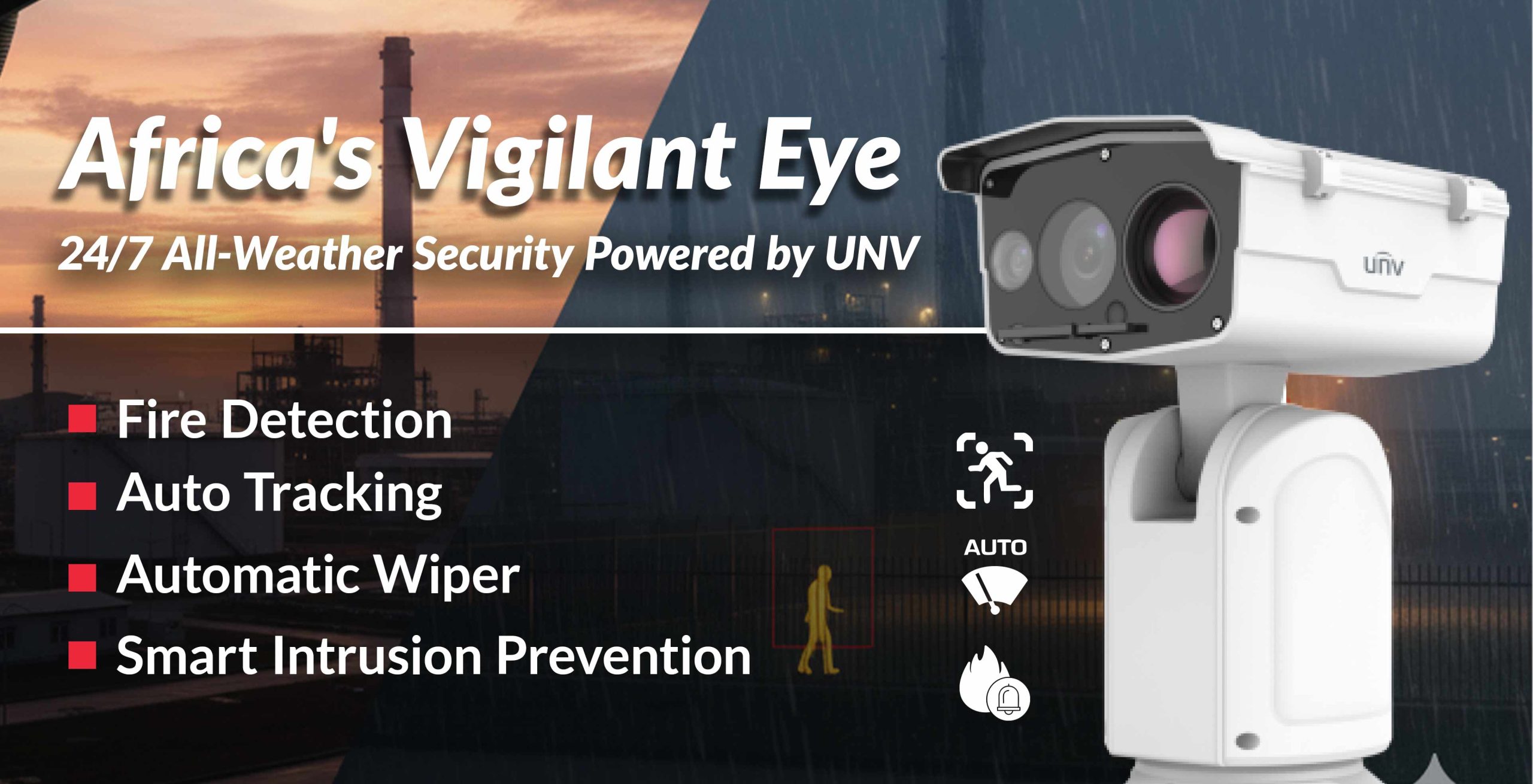
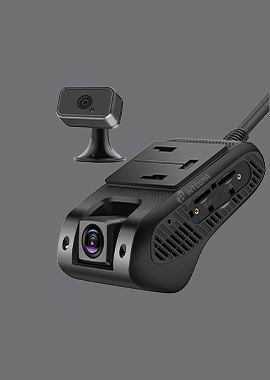
2. Set Up CCTV Surveillance to Remove Anonymity
Criminals hate being seen. They don’t just fear getting caught; they fear being identified.
A visible camera system strips away their anonymity. When a thief knows their face is being recorded, the risk factor skyrockets, often causing them to abandon the target entirely.

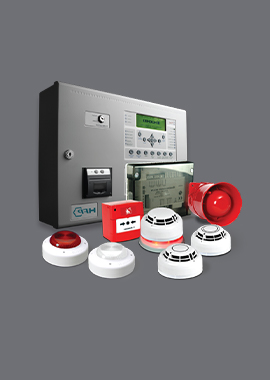
3. Implement Alarm Systems to Create Panic
Silence is a thief’s best friend. It allows them to work calmly and methodically.
An instant alarm system shatters that silence. It triggers a panic response in the intruder and alerts a response team immediately, drastically reducing the time they have to operate.

4. Reinforce Physical Barriers to Buy Time
This is the layer that buys you time.
Even if the alarm is screaming, a thief might try to grab and go. Heavy-duty grilles and reinforced doors turn a 30-second smash-and-grab into a 10-minute ordeal. When faced with this kind of physical resistance, they usually give up.

5. Upgrade to High-Security Locks to Deny Access
This is your last line of defence.

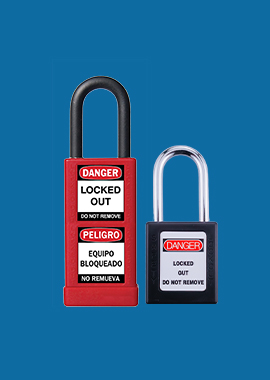
Standard locks can be picked or snapped in seconds. High-security locks, however, are built to deny entry, ensuring that even if a criminal gets past the perimeter and ignores the alarm, they still can’t get in.
Final thoughts
These layers do not work in isolation. A camera without a barrier just records the theft; an alarm without a strong lock just makes noise while they enter.
Real security requires the entire ecosystem working together.
If you are looking at your shop today and wondering which layer you are missing, let’s fix it before the holiday rush hits its peak.